
Foods That Reduce Vision Problems
Discover the most powerful natural foods and nutrients that support eye health and protect your vision for the long term. Explore our comprehensive guide to vision-boosting nutrition.
The information on this site is for educational purposes only and does not constitute medical advice. Always consult a qualified healthcare professional before making health decisions.
Browse by Category
Filter our vision-supporting foods by nutritional category to find exactly what you're looking for.
Vision-Boosting Foods Guide
Spinach & Leafy Greens
Spinach is packed with lutein and zeaxanthin, two powerful antioxidants that accumulate in the retina and help filter harmful blue light. These nutrients work to maintain sharp central vision and reduce the risk of age-related vision changes. Regular consumption of leafy greens supports long-term eye protection through multiple nutritional pathways.
Carrots & Orange Vegetables
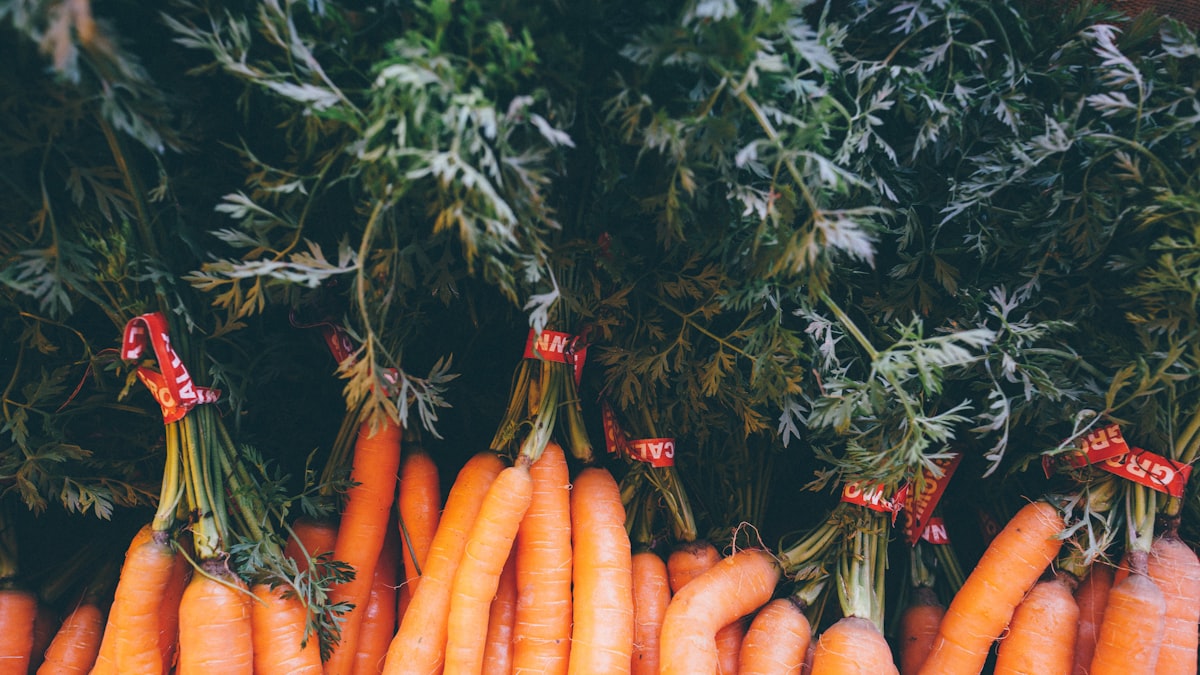
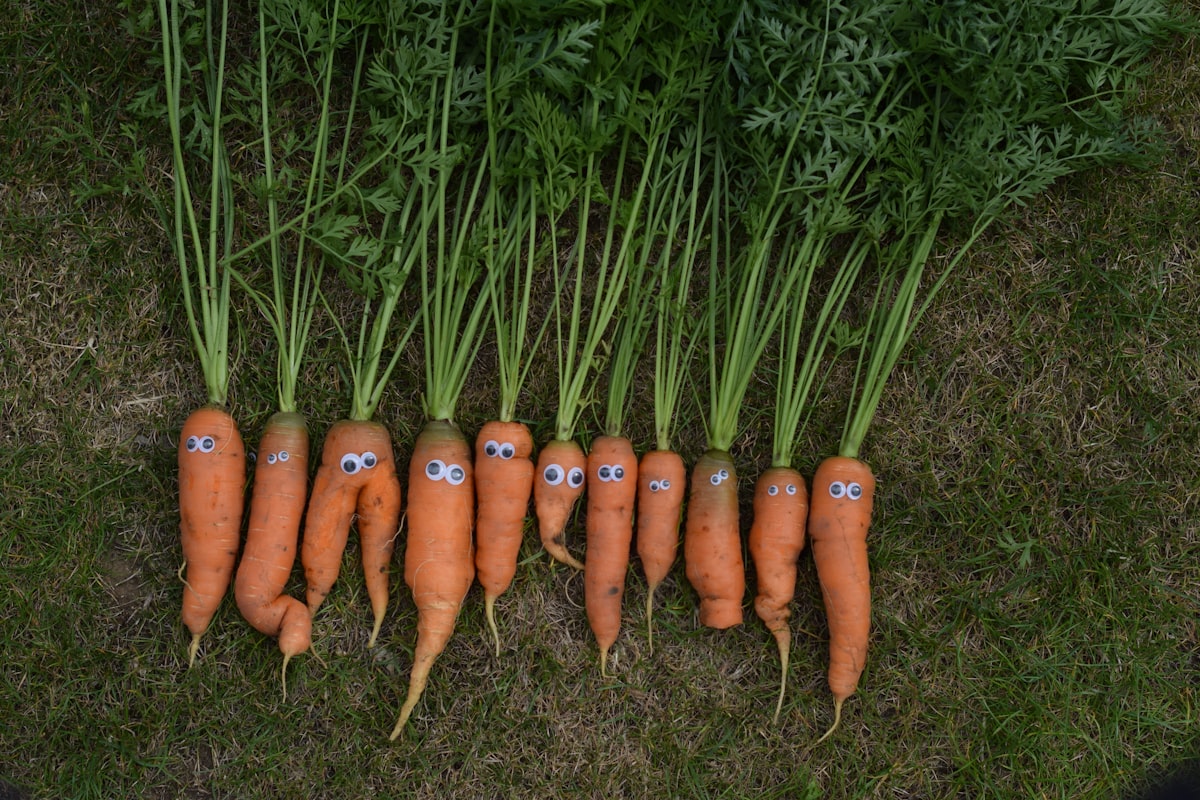
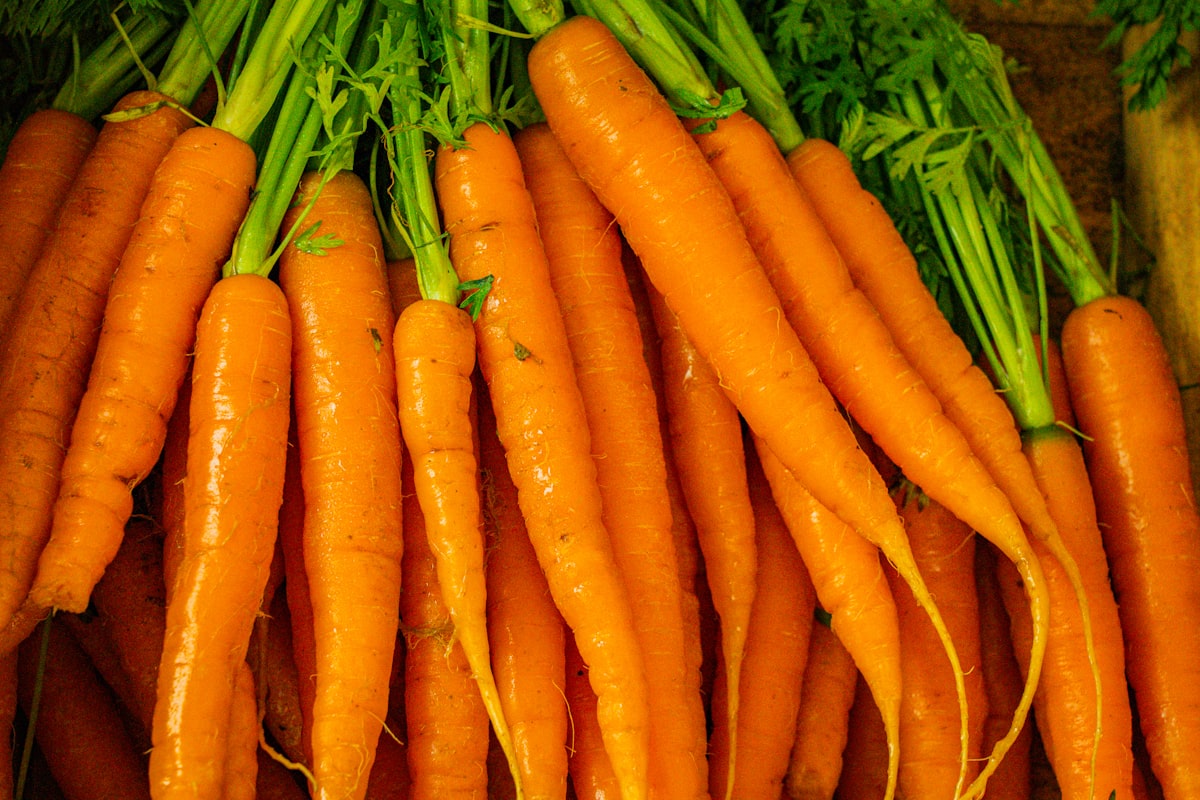
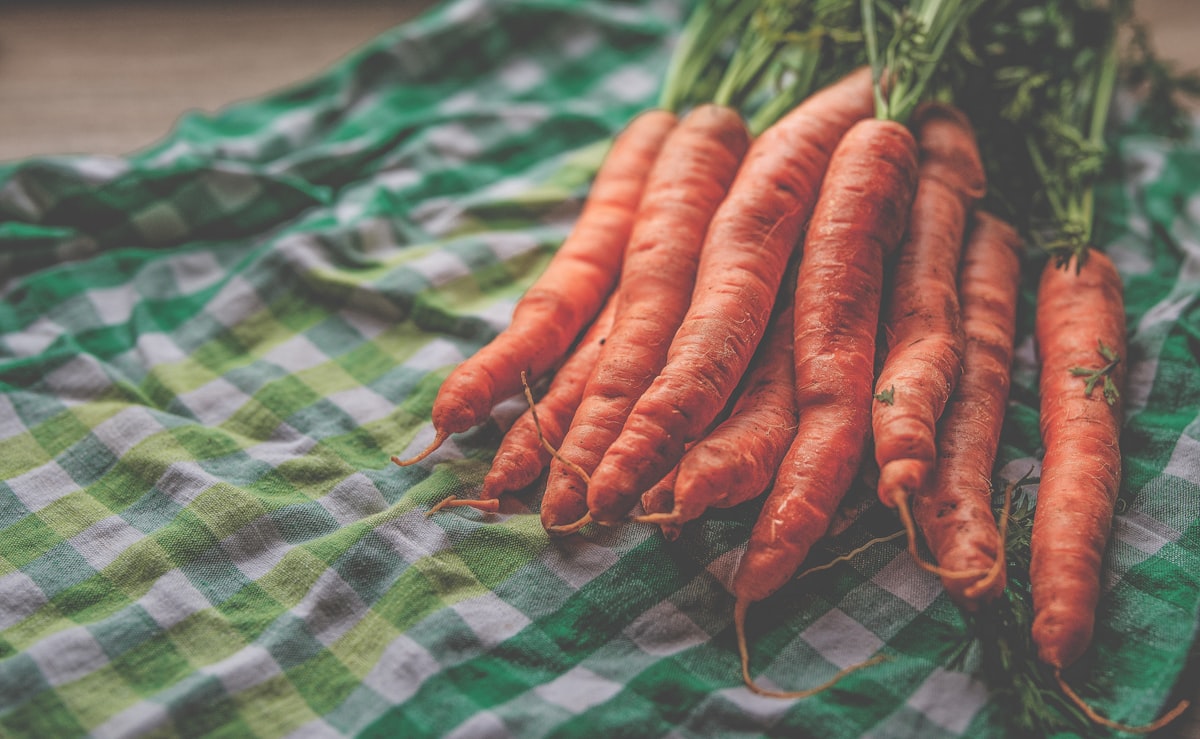
Carrots are famous for their high beta-carotene content, a precursor to vitamin A that your eyes convert and use for optimal function. This essential nutrient supports the production of rhodopsin, a protein in the retina responsible for vision in low-light conditions. Eating orange vegetables regularly helps maintain the structural integrity of the cornea and supports overall visual clarity.
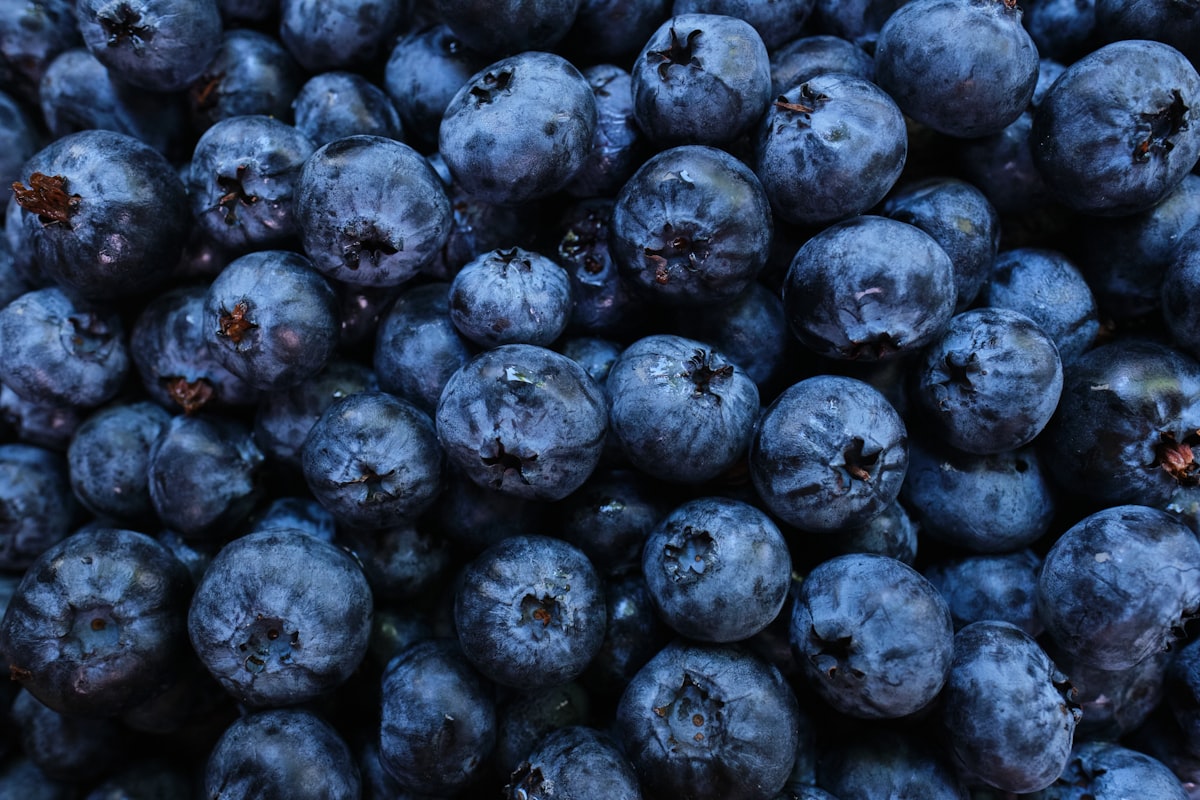
Blueberries & Dark Berries
Blueberries contain anthocyanins, potent antioxidants that cross the blood-brain barrier and accumulate in the eyes. These compounds help protect retinal cells from oxidative stress and support healthy blood flow to ocular tissues. Studies on anthocyanin-rich berries suggest they may help maintain visual acuity and support the eyes' natural defense mechanisms against environmental challenges.
Salmon & Fatty Fish
Salmon is an excellent source of omega-3 fatty acids, which form a critical component of retinal cell membranes and support healthy blood circulation in the eyes. These essential fats promote nutrient absorption and help maintain the structural health of photoreceptor cells. Regular consumption of fatty fish has been associated with support for visual function and long-term eye wellness across multiple research communities.

Almonds & Nuts
Almonds are rich in vitamin E, a fat-soluble antioxidant that protects eye cells from free radical damage. This nutrient works synergistically with other antioxidants to maintain cellular health and support the eyes' natural protective mechanisms. Nuts also provide essential minerals and healthy fats that contribute to overall ocular wellness and visual clarity when included regularly in your nutrition.
Bell Peppers & Citrus
Bell peppers are an outstanding source of vitamin C, a water-soluble antioxidant that supports the health of blood vessels in the eyes and protects against oxidative stress. Vitamin C plays a key role in collagen formation, which is essential for maintaining the structural integrity of the cornea and lens. Incorporating citrus fruits and peppers into your daily diet provides consistent antioxidant support for your visual wellness.

Eggs & Egg Yolks
Egg yolks are one of the richest dietary sources of lutein and zeaxanthin, making them a powerhouse food for eye wellness. These carotenoids are deposited in the macula and work to protect against blue light damage while maintaining visual sharpness. Eggs also provide choline and other nutrients that support neural health in the visual system, making them an excellent addition to an eye-health-focused nutrition plan.
Broccoli & Cruciferous Vegetables
Broccoli contains sulforaphane and other phytonutrients that activate the body's natural antioxidant defense systems in the eyes. This cruciferous vegetable is also rich in vitamins A, C, and K, plus lutein and zeaxanthin, providing comprehensive nutritional support for visual wellness. Regular consumption of broccoli and similar vegetables contributes to sustained eye health through multiple protective mechanisms.
Key Nutrients for Eye Health
Understanding the essential nutrients that support your vision helps you make informed choices about your nutrition. The foods listed above contain scientifically-recognized compounds that work together to maintain eye function and protect your visual system from environmental challenges and aging processes.
Lutein & Zeaxanthin
These carotenoids filter harmful blue light and accumulate in the macula, supporting visual sharpness and clarity.
Anthocyanins
Powerful antioxidants in dark berries that protect retinal cells and support healthy blood circulation to the eyes.
Omega-3 Fatty Acids
Essential for retinal cell membrane integrity and supporting the structural health of photoreceptor cells.
Vitamins A, C & E
These antioxidant vitamins work synergistically to protect eye cells from free radical damage and support overall visual wellness.
How to Incorporate Vision-Supporting Foods
Start Your Day Right
Begin with a nutrient-rich breakfast containing eggs, berries, or leafy greens to establish a strong nutritional foundation for eye health throughout the day.
Pack Colorful Snacks
Choose snacks like almonds, berries, or carrot sticks between meals to maintain consistent intake of eye-supporting antioxidants and nutrients.
Prepare Vision-Boosting Meals
Include fatty fish twice weekly and add multiple servings of leafy greens and colorful vegetables to your lunch and dinner plates.
Maintain Consistency
Build these nutrient-dense foods into your regular eating patterns so you receive consistent support for your visual wellness over time.
Frequently Asked Questions
Nutritional improvements to eye health develop gradually over weeks and months as antioxidants and nutrients accumulate in ocular tissues. Many people notice subtle improvements in visual clarity within 4-6 weeks of consistent consumption of vision-supporting foods. Long-term dietary patterns are more important than short-term changes, as the protective effects build over time through sustained nutrition.
While nutrition plays a crucial role in supporting eye wellness, it works best as part of a comprehensive approach that includes regular eye examinations, protection from UV light, screen time management, and overall health maintenance. Vision-supporting foods provide foundational nutritional support, but professional eye care remains essential for comprehensive visual wellness. Think of nutrition as one important component of a holistic eye health strategy.
While no single food contains all beneficial compounds, dark leafy greens like spinach stand out for their exceptionally high levels of lutein, zeaxanthin, and additional antioxidants. However, the most effective approach involves consuming a variety of vision-supporting foods throughout the week, as different foods provide complementary nutrients. Diversity in your diet ensures you receive the full spectrum of compounds your eyes need for optimal support.
Frozen fruits and vegetables retain most of their nutritional value because they are processed shortly after harvesting, locking in nutrients before degradation occurs. Canned versions can also be nutritious, though some may contain added sodium or sugars. When choosing canned foods, look for options with minimal added ingredients. Fresh, frozen, and canned versions can all contribute meaningfully to your eye-supporting nutrition plan when selected thoughtfully.
Cooking can affect nutrient bioavailability differently depending on the nutrient. Heat can actually increase the absorption of fat-soluble nutrients like lutein and beta-carotene when cooked with healthy fats. However, some water-soluble vitamins may be lost through prolonged cooking or boiling in water. The best approach is to vary your preparation methods—enjoy raw salads, lightly steamed vegetables, and cooked dishes—to benefit from both raw and cooked preparations of vision-supporting foods.
What Our Community Shares
I've been incorporating more leafy greens and fatty fish into my diet over the past three months, and I've noticed a real difference in my visual clarity, especially when working at my computer. The information about specific nutrients really helped me understand what I was eating and why it matters for my eyes.
Maria Wijaya
Bandung, Indonesia
The guide about vision-boosting foods has become part of my daily reference. I appreciate that it focuses on whole foods rather than supplements, and the practical tips about incorporating these foods into meals have made it easy for my whole family to eat for eye health.
Dhani Susanto
Jakarta, Indonesia
Get Our Vision Health Resources
Subscribe to receive our latest articles about foods that support eye wellness, nutritional tips, and research updates. Our editorial team shares evidence-based content to help you make informed choices about your vision health.
We respect your privacy. Unsubscribe anytime from our email list.
Explore More About Vision Wellness
Discover comprehensive information about the nutrients, foods, and lifestyle factors that contribute to lifelong eye health. Our editorial content is designed to help you understand the science behind nutrition for vision.